The Ultimate Guide to Mobile Physio Sydney: Convenient Care at Your Doorstep
Learn more about mobile physio Sydney and how it applies to your specific needs.
Living in a bustling city like Sydney comes with its fair share of challenges—traffic, parking, and a packed schedule. When you need physiotherapy, the last thing you want is to spend an hour commuting to a clinic only to wait another 30 minutes for your appointment. That’s where services step in. They bring professional, evidence-based physiotherapy directly to your home, office, or even your local park. This guide explores everything you need to know about mobile physiotherapy in Sydney, from how it works to its benefits, what to expect, and how to choose the right provider.
What Is Mobile Physiotherapy?
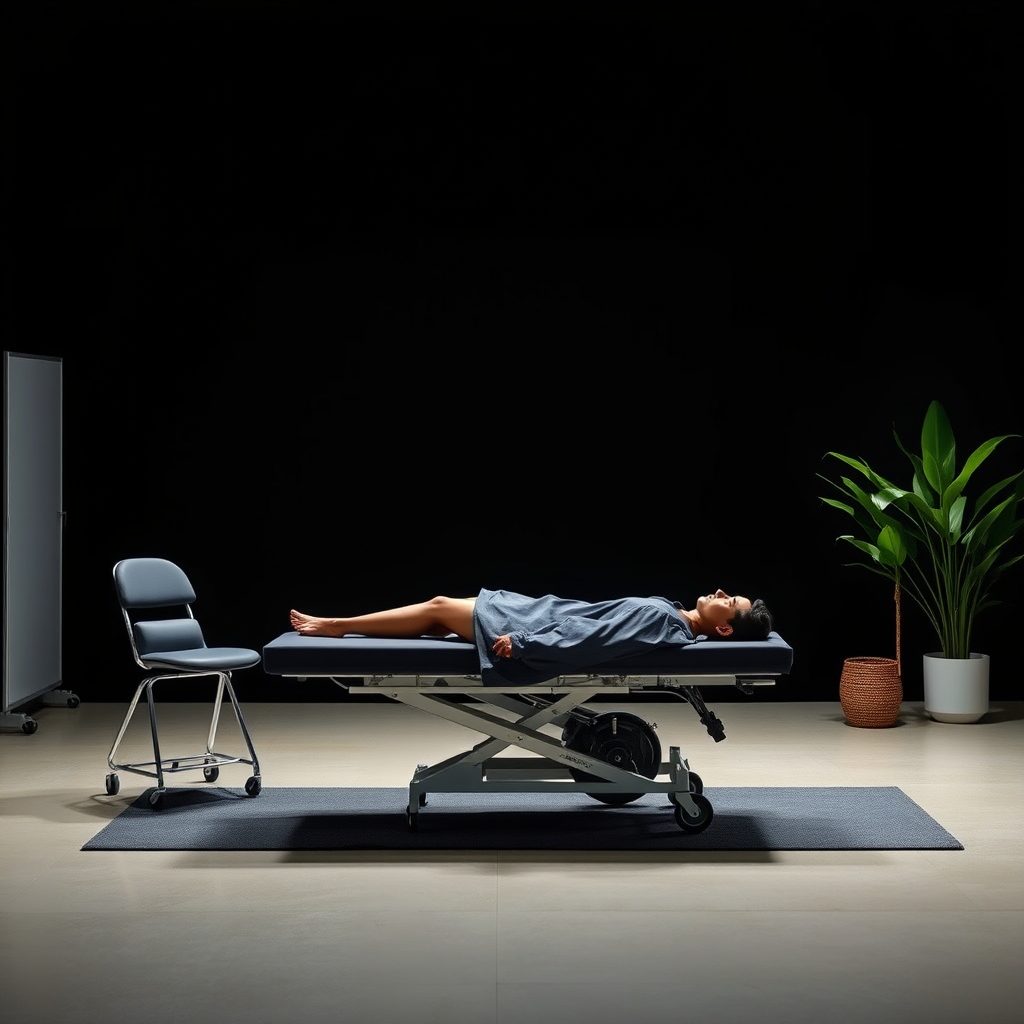
Mobile physiotherapy, also known as home visit physio, is a service where a qualified physiotherapist travels to your location to provide treatment. Unlike traditional clinic-based physiotherapy, mobile physio eliminates the need for you to travel. The therapist brings all necessary equipment—such as treatment tables, massage tools, and exercise aids—directly to you. This service is ideal for individuals with mobility issues, chronic pain, post-surgical recovery, or simply those with busy schedules who value convenience.
In Sydney, mobile physio services have gained popularity because they offer personalized care in the comfort of your own environment. Whether you live in a high-rise apartment in the CBD, a suburban home in the Eastern Suburbs, or a waterfront property in Mosman, a mobile physio can come to you. The treatment you receive is just as comprehensive as what you’d get in a clinic, but with added flexibility and comfort.
Who Can Benefit from Mobile Physio Sydney?
Mobile physio Sydney is not just for the elderly or those with severe injuries. It’s for anyone who wants high-quality physiotherapy without the hassle of travel. Here are some groups that particularly benefit:
- Post-surgical patients: After surgery, mobility is often limited, making it difficult to attend clinic appointments. A can help you recover safely at home, guiding you through exercises and manual therapy to speed up healing.
- Chronic pain sufferers: Conditions like back pain, arthritis, or fibromyalgia can make leaving the house a daunting task. Mobile physio brings relief to your doorstep.
- Sports enthusiasts: Athletes with injuries can benefit from mobile physio that focuses on sports-specific rehabilitation. The therapist can assess your home or training environment to provide tailored advice.
- Busy professionals: If your schedule is packed, a mobile physio can visit you during your lunch break or after work hours. This saves you valuable time.
- Elderly individuals: Seniors often face mobility challenges, and getting to a clinic can be risky. Mobile physio ensures they receive the care they need without leaving home.
- New parents: Postnatal physiotherapy is crucial for recovery, but new parents often struggle to find time. Mobile visits can be scheduled around your baby’s routine.
What to Expect from a Mobile Physio Appointment
Your first mobile physio appointment typically begins with a thorough assessment. The physiotherapist will ask about your medical history, current symptoms, and goals. They’ll then perform physical tests to assess your strength, range of motion, and functional abilities. Based on this, they’ll create a personalized treatment plan.
Treatment may include manual therapy, such as joint mobilization or soft tissue massage, therapeutic exercises, and advice on posture and ergonomics. Since you’re in your own environment, the physiotherapist can also observe how you perform daily activities—like sitting at your desk or lifting groceries—and provide practical recommendations to prevent further injury.
One of the key advantages of mobile physio is the ability to use your own furniture and equipment. For example, if you’re recovering from a knee replacement, the physiotherapist can guide you on safely navigating stairs in your home. If you’re an athlete, they can assess your running form in your backyard or local track. This real-world context makes the rehabilitation more relevant and effective.
After the session, you’ll likely receive a home exercise program. The physiotherapist may also use telehealth follow-ups to monitor your progress. Many mobile physio providers in Sydney offer flexible booking, including weekends and evenings, to accommodate your schedule.
Advantages of Choosing a Mobile Physio in Sydney
There are numerous benefits to opting for a mobile physio in Sydney. Here are the most compelling reasons:
- Convenience: No travel time, no parking hassles, and no waiting rooms. The physiotherapist comes to you at a time that suits you.
- Personalized care: One-on-one attention without distractions. The therapist can focus entirely on you and your environment.
- Comfort: Being in your own home can reduce anxiety and make you more relaxed, which can improve treatment outcomes.
- Real-world assessment: The therapist can see how you move in your daily environment, leading to more accurate diagnosis and practical advice.
- Time-saving: Ideal for busy professionals and parents. You can schedule sessions during breaks or when your children are napping.
- Continuity of care: If you have chronic conditions, a mobile physio can provide consistent support without you having to travel.
- Accessibility: For those with disabilities or mobility issues, mobile physio is often the only viable option.
In addition, mobile physio services are often covered by private health insurance and Medicare (under certain chronic disease management plans). Always check with your provider to confirm coverage.
How to Choose the Right Mobile Physio Sydney Provider
With many mobile physio providers in Sydney, it’s essential to choose one that meets your needs. Here are some factors to consider:
- Qualifications and experience: Ensure the physiotherapist is registered with the Australian Health Practitioner Regulation Agency (AHPRA). Look for experience in treating your specific condition.
- Specializations: Some mobile physios specialize in areas like sports injuries, aged care, or post-surgical rehab. Choose one that aligns with your needs.
- Service area: Check if they cover your suburb. For example, if you live in Mosman, you’ll want a provider that offers services.
- Reviews and reputation: Look for testimonials from other clients. A reputable provider will have positive feedback.
- Equipment: Ask what equipment they bring. A professional mobile physio will have a portable treatment table and essential tools.
- Insurance and pricing: Confirm their fees and whether they accept your health fund or Medicare rebates.
- Communication: Choose a physiotherapist who listens to your concerns and explains your treatment clearly.
Learn more about physio home visits Sydney and how it applies to your specific needs.
It’s also wise to ask about their cancellation policy and availability. A good mobile physio will be flexible and responsive to your needs.
Common Conditions Treated by Mobile Physio
Learn more about mobile physio Mosman and how it applies to your specific needs.
Mobile physios in Sydney treat a wide range of conditions, including but not limited to:
- Back and neck pain
- Sciatica
- Arthritis and joint pain
- Sports injuries (e.g., sprains, strains, ligament tears)
- Post-fracture rehabilitation
- Post-surgical rehabilitation (e.g., after joint replacement)
- Neurological conditions (e.g., stroke, Parkinson’s disease)
- Balance and gait disorders
- Postural issues
- Work-related injuries
- Chronic pain syndromes
Mobile physio can also provide preventative care, such as ergonomic assessments for your home office or advice on exercise programs to maintain your health.
The Role of Mobile Physio in Aged Care and Disability Support
For elderly individuals and those with disabilities, are a lifeline. Many aged care residents or those living independently at home struggle to access clinic-based services. Mobile physio brings rehabilitation to them, helping to improve mobility, reduce pain, and prevent falls.
In aged care facilities, mobile physios often work alongside other healthcare professionals to develop care plans. They can provide manual therapy, prescribe exercises, and educate caregivers on safe handling techniques. For NDIS participants, mobile physio can be funded under your plan, making it an accessible option.
The convenience of home visits also means that therapy can be integrated into daily routines. For example, a physiotherapist can work with a client in their kitchen to practice safe reaching, or in the bathroom to improve transfer skills. This practical approach enhances independence and quality of life.
Mobile Physio vs. Traditional Clinic: Which Is Better?
Both mobile and clinic-based physiotherapy have their merits. Clinic-based physio may offer access to specialized equipment like hydrotherapy pools or advanced modalities. However, for most people, mobile physio provides comparable care with added convenience. The choice depends on your individual needs.
If you have a complex condition requiring specialized equipment, a clinic might be more suitable. But if you value convenience, personalized attention, and the ability to be treated in your own environment, mobile physio is the way to go. Many people actually find that mobile physio is more effective because the therapist can address real-life functional issues.
Moreover, mobile physio can be more cost-effective when you factor in travel costs and time off work. Some providers offer package deals, making it even more affordable.
How to Prepare for Your Mobile Physio Appointment
To get the most out of your mobile physio session, it’s important to prepare. Here are some tips:
- Clear a space where the physiotherapist can set up the treatment table. Ideally, you’ll need an area of about 2 meters by 1 meter.
- Have a chair available and, if possible, a firm surface like a yoga mat or carpeted floor.
- Wear comfortable clothing that allows easy access to the area being treated.
- Prepare a list of your symptoms, medications, and any relevant medical reports.
- Think about your goals for treatment—what do you want to achieve?
- If you have any home equipment (e.g., resistance bands, weights), let the physiotherapist know so they can incorporate it.
Your physiotherapist will guide you through the session, so you don’t need to do anything else. Just be ready to communicate openly about your condition.
Frequently Asked Questions About Mobile Physio Sydney
1. Is mobile physio covered by insurance?
Yes, many private health insurance funds cover mobile physiotherapy, but it depends on your level of cover. Some policies include physiotherapy benefits that can be used for home visits. Additionally, if you have a chronic condition and a Chronic Disease Management (CDM) plan from your GP, you may be eligible for Medicare rebates for physiotherapy sessions, including mobile ones. Always check with your insurer and physio provider to confirm coverage.
2. How much does a mobile physio session cost in Sydney?
The cost of mobile physio in Sydney typically ranges from $80 to $150 per session, depending on the provider, your location, and the complexity of your condition. Some providers offer packages that reduce the per-session cost. It’s also common to have a travel fee for areas outside the service radius. Always ask for a detailed quote before booking.
3. What areas does mobile physio Sydney cover?
Most mobile physio providers in Sydney cover the greater metropolitan area, including the CBD, Eastern Suburbs, Inner West, Northern Beaches, and North Shore. For example, a provider like Revive Physiotherapy offers mobile physio services in Mosman and surrounding suburbs. If you’re unsure, contact the provider to confirm they service your postcode.
4. Do I need a referral from a doctor to see a mobile physio?
No, you can see a physiotherapist directly without a referral. However, if you plan to claim Medicare rebates, you’ll need a GP referral and a CDM plan. Some private health funds also require a referral for certain extras, so it’s best to check with your fund.
5. What should I do if I have limited space at home?
Mobile physios are experienced in working in various environments. They can adapt their approach to the space available. If you have limited space, they may use a chair or the floor instead of a full treatment table. Just let them know in advance so they can prepare.
Conclusion
Mobile physio Sydney offers an innovative solution for anyone seeking high-quality physiotherapy without the inconvenience of clinic visits. Whether you’re recovering from surgery, managing a chronic condition, or simply want to improve your physical health, a mobile physio can provide personalized, effective care in the comfort of your own home. With providers like , you can access professional home visit physio services across Sydney, including specialized mobile physio Mosman. Don’t let travel time or mobility issues hold you back from optimal health—book a mobile physio today and experience the difference.